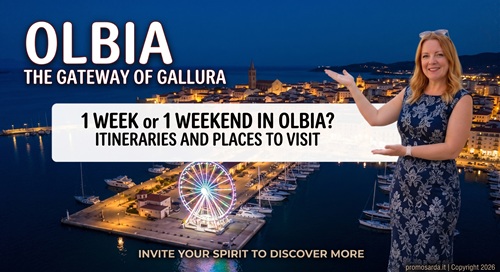
Olbia: The Gateway of Gallura
Chapter 1: Geographical Genesis – The Gulf of Olbia, Gallura Regional Context, and Modern Arrival Pathways
Nestled gracefully at the head of a magnificent natural gulf on northeastern Sardinia’s sun-drenched coast lies Olbia—a city of astonishing resilience, deep ancient roots, and dynamic modern vitality. While international travelers often treat Olbia merely as a transit hub, rushing past its avenues toward the glamorous beaches of the Costa Smeralda, those who pause discover a vibrant cultural tapestry where Punic ramparts whisper of Carthaginian traders, Roman aqueducts trace forgotten springs, and lively piazze buzz with authentic Gallurese life.
The Regional Context of Gallura
Olbia is the undisputed economic and demographic capital of Gallura (Gallurese: Gaddùra, Sardinian: Caddùra), an historic region occupying the rugged northeastern extremity of the island. Bounded to the south by the imposing granite massif of Monte Limbara, to the southwest by the lower Coghinas river basin, and to the southeast by Monte Nieddu across San Teodoro and Budoni, Gallura was historically one of the four sovereign Judicates of medieval Sardinia. Today, its economy thrives on elite tourism, cork extraction, granite quarrying, and advanced marine services. Municipalities sharing this territory include Aggius, Aglientu, Arzachena, Badesi, Bortigiadas, Calangianus, Golfo Aranci, La Maddalena, Loiri Porto San Paolo, Luogosanto, Luras, Palau, San Teodoro, Sant’Antonio di Gallura, Santa Teresa Gallura, Telti, Tempio Pausania, Trinità d’Agultu e Vignola, and Viddalba.
In Gallura, the spoken idiom is Gallurese—a Tuscan-Corsican dialect bearing striking similarities to the speech of southern Corsica (Sartène district), distinct from the Logudorese Sardinian spoken further south. Furthermore, Olbia proudly holds membership in the prestigious national associations Città dell’Olio (Cities of Olive Oil) and Città del Vino (Cities of Wine), championing high-quality regional olive oils and world-renowned DOCG Vermentino wines.
Approaching Olbia: Geography, Mobility, and Car/Bike Rentals
Olbia’s geographical setup is anchored by its natural harbor—the only deep-water natural port on Sardinia’s eastern seaboard, located less than 300 kilometers from the Italian mainland. The surrounding valley is framed to the north by Monte Cugnana, to the west by Monte Limbara and Monte Pinu, and to the south by the Monti plateau.
For independent travelers arriving via the massive Isola Bianca Maritime Station or landing at Olbia-Costa Smeralda Airport (OLB), securing reliable transport is effortless. Premier car rental agencies operate directly at the terminal and downtown desks, including Avis Olbia, Europcar, Hertz, Locauto Rent, and regional specialists like Sardinia Rent Car. For eco-conscious visitors wishing to explore coastal tracks and urban alleyways without a car, top-tier bicycle and e-bike rental hubs such as Olbia Bike Rental, Gallura E-Bike Tours, and Pedal Olbia offer mountain bikes, city cruisers, and pedal-assist electric bikes with direct delivery to your accommodation.
Upon arrival, travelers can settle into exceptional accommodations right at the city’s gateway, such as the elegant Hotel Panorama (Via Giuseppe Mazzini 7) or the refined Hotel Cavour (Via Cavour 22), before embarking on their exploration of the historic center.
Chapter 2: Chronicles Through Time – A Detailed History of Olbia
Neolithic Beginnings and Nuragic Civilization
Human presence in the Olbia territory dates back to the Middle Neolithic, evidenced by female Mother Goddess statuettes and ceramic fragments discovered near Porto Rotondo. During the Eneolithic period, the walls of the Pope’s Cave on Tavolara Island were adorned with stylized human figures painted in red ochre. Bronze Age society left a monumental footprint across the surrounding hills, dotted with nuraghi, sacred wells, and giant’s tombs.
Phoenician, Greek, and Carthaginian Epochs
From the late 8th to early 7th century BCE, Phoenician traders established commercial footholds. Archaeological finds—including painted amphora fragments and wooden figurines—suggest the existence of an acropolis sanctuary dedicated to Melqart (the Phoenician counterpart to Hercules) and a harbor sanctuary dedicated to Astarte. By the 6th century BCE, Greek influence was firmly established, giving rise to the city’s name: Olbia, derived from the Greek Olbiòs (“happy” or “prosperous”), celebrating its fortunate geographic position.
In 535 BCE, the waters off Olbia and Corsica witnessed the Battle of Alalia (Sardinian Sea), one of history’s earliest recorded naval clashes, pitting Phocaean Greeks against allied Etruscan and Carthaginian fleets. By the 4th century BCE, Carthage established firm control, constructing an orthogonal urban grid, fortifications, an acropolis where the Church of San Paolo now stands, and thriving necropolises at Funtana Noa, Abba Noa, and Joanne Canu.
Roman Supremacy: Olbia Imperiale
Conquered by Rome in 259 BCE during the Punic Wars, Olbia flourished as a vital commercial hub and naval base linking Rome to the island’s interior via three major consular roads. During Nero’s reign in the 1st century CE, the city expanded significantly. Christianity took root early; on May 15, 304 CE, during the persecutions of Emperor Diocletian and regional prefect Barbaro, Saint Simplicio, the first historically documented bishop of Sardinia, was martyred by a lance thrust.
Vandal Destruction, Fausiana, and Medieval Civita
Destroyed by Vandals around 455 CE, surviving citizens fled north to the Pasana river valley, establishing the settlement of Fausiana (or Phausania). During the Middle Ages, the city re-emerged as Civita, serving for a time as the capital of the sovereign Judicate of Gallura. Under the Giudici and later Pisan rule (following the death of Nino Visconti, famously immortalized by Dante Alighieri in Purgatorio), the magnificent Romanesque Basilica of San Simplicio was erected.
Spanish Aragonese Rule, Piracy, and Modern Rebirth
In 1326, the territory passed to the Aragonese Crown, initiating a long period of feudal decline exacerbated by malaria, silted harbors, and fierce pirate raids—most notably by the Turkish corsair Dragut in 1553, which prompted the relocation of the bishopric. By the early 19th century, traveler Antoine-Claude Valery described Terranova (as it was then called) as an unhealthy, depopulated village of under 2,000 souls.
Demographic and economic recovery arrived in the late 19th century with the abolition of feudalism, the renaming to Terranova Pausania in 1862, the reopening of the port, and the arrival of the railway in 1881. In 1939, under Fascist-era revivals of Roman heritage, the historic name Olbia was restored. In 1953, President Luigi Einaudi formally elevated Olbia to the rank of City by Presidential Decree. Post-war land reclamation eradicated malaria, and from the 1970s onward, the tourism boom transformed Olbia into the bustling metropolis of over 60,000 residents we see today.
Chapter 3: Traditions, Culture, Folklore, and Festive Calendar
Olbia’s cultural calendar is a vibrant reflection of its deep religious heritage and agro-pastoral roots, brought to life by groups like the Gruppo Folk Olbiese and Gruppo Folk San Pantaleo.
Key Festivals Across the Seasons
- Conversion of Saint Simplicio & Saint Paul (January 25): Solemn processions honoring the city’s patron saints with traditional folk costumes and musical bands.
- Fiera della Gallura (April): Showcasing local craftsmanship, cork carving, and pastoral woodworking.
- Festa Patronale di San Simplicio (May 11–15): The undisputed highlight of Olbian life. Spanning nine days of novena devotions, it culminates on May 15 with a massive parade of folk groups from across Sardinia, poetic competitions (gare poetiche), spectacular fireworks, and the famous Sagra delle cozze, where thousands of fresh local mussels are served marinara-style and gratin.
- Rally d’Italia Sardegna (Mid-May): World Rally Championship (WRC) leg tearing through the grueling gravel tracks of Gallura and Monte Acuto.
- Festa della Madonna del Mare e di San Giovanni Battista (June 24): Ancient maritime procession with statues of the saints borne on decorated boats across the gulf, followed by a giant seaside fish fry and waterfront fireworks.
- Palio Città di Olbia (October): Horse race and medieval pageant echoing the pageantry of Siena, with neighborhood jockeys competing for civic glory.
Chapter 4: Architectural Marvels & Exhaustive Directory of Olbia’s Sacred Edifices
Walking through Olbia reveals an extraordinary architectural heritage spanning early Christian basilicas, Gallurese stone churches, and modern urban parishes.
- Basilica of San Simplicio (Via San Simplicio): The crown jewel of Gallurian Romanesque architecture, built in granite blocks during the late 11th and early 12th centuries. Designated a Minor Basilica in 1993, it houses the relics of San Simplicio beneath the high altar. Nearby dining: Ristorante L’Essenza Bistrot (Via delle Terme 10) and Locanda del Conte Mameli (Via delle Terme 8).
- Church of San Paolo Apostolo (Piazza Civitas): Historic parish church erected on the ancient Punic-Roman acropolis, featuring a striking polychrome majolica dome and 18th-century sacred art. Nearby dining: Officina del Gusto (Piazza Matteotti 1) and Ristorante Dulchémente (Via Romeo Papandrea 10).
- Oratory of the Holy Cross (Piazza Santa Croce): Restored historic confraternity chapel featuring timber truss ceilings and artworks by artist Liliana Cano. Nearby: Hotel Cavour (Via Cavour 22).
- Church of Nostra Signora de la Salette (Via Giovanni Pisano 12): Modern urban parish inaugurated in 1964. Nearby dining: Ristorante Il Mattacchione (Via Copenhagen 82).
- Church of Sant’Ignazio da Laconi (Sa Minda Noa): Capuchin Franciscan parish serving the northern residential expansion.
- Church of San Michele Arcangelo (Tannaule / Via Bazzoni Sircana): Contemporary monumental parish church featuring a 15-meter curved facade symbolizing a divine embrace and a 22-meter bell tower.
- Church of the Holy Family (Via Roma): Designed by master architect Vico Mossa, hosting the lively September neighborhood festival.
- Church of San Ponziano Papa (Poltu Quadu / Via Monza): Parish church serving the southern port and airport districts.
- Santuario di Nostra Signora di Cabu Abbas (Cabu Abbas): 18th-century rural sanctuary built over ancient Roman water springs (Caput Aquarum), famous for its vibrant May pilgrimage festival.
- Church of Santa Maria di Terranova / Santa Mariedda (Località Santa Mariedda): Medieval sanctuary dating back to 1113, associated with Marseille’s Victorine monks.
- Church of San Vittore Vescovo (Via San Vittore): Ancient country church surrounded by centuries-old olive groves, hosting May festivities with traditional sheep stew (pecora in cappotto).
- Church of Santa Elisabetta d’Ungheria (Putzolu): 1920s rural church funded by papal grants, celebrated every May with local mussel tastings.
- Church of San Pietro Apostolo (Monte Pinu / Muddizza Piana): Scenic mountain sanctuary built in the 1920s.
- Church of the Holy Spirit / Su Babbu Mannu (Southern Countryside): Medieval rural chapel hosting Corpus Christi celebrations and communal feasts.
- Church of St. Anthony of Padua (Via Aspromonte): Neighborhood parish church serving western residential quarters.
Chapter 5: Punic Walls, Roman Antiquities, and Megalithic Strongholds
Olbia’s historic subsurface and surrounding hills offer a treasure trove of archaeology.
- Punic Walls (Via Torino / Via Acquedotto): Imposing 4th-century BCE defensive stone ramparts and rectangular watchtowers built by Carthaginian engineers.
- Roman Aqueduct Ruins (Tilibbas / SP82): Impressive stone pillar arches and barrel-vaulted cisterns (Caput Aquarum) that once channeled spring water from Cabu Abbas into municipal thermal baths.
- Castello di Pedres (SP24): 13th-century Pisan fortress perched atop a dramatic granite outcrop, offering panoramic views over the gulf.
- Su Monte ‘e S’Ape Giant’s Tomb: Located directly beneath Castello di Pedres, this monumental Bronze Age gallery grave spans over 28 meters, making it the largest in Sardinia.
- Nuraghe Casteddu: Complex Bronze Age stronghold featuring unique internal corridor architecture near Pedres.
- Rio Mulinu Megalithic Complex (Punta Casteddu / Monte Colbu): A breathtaking 220-meter defensive stone rampart enclosing a cylindrical nuraghe and sacred water well (pozzo sacro), commanding strategic control over the entire gulf.
- Castello di Sa Paulazza / Mont’a Telti: Exceptional 6th-century Byzantine fortress built by Emperor Justinian to repel barbarian incursions.
- S’Imbalconadu Roman Farmhouse (SP24): 2nd-century BCE agricultural estate preserving ancient wine-pressing vats and a rare granite block bearing the sacred symbol of the Punic goddess Tanit.
Chapter 6: Urban Districts, Waterfronts, Parks, and Coastal Paradises
Beyond its historical core, Olbia offers exceptional natural spaces and marine playgrounds.
- Parco Fausto Noce: Spanning 18 hectares, this is Sardinia’s largest urban park, featuring pine groves, sports arenas, and the Anfiteatro open-air theater.
- Marina di Olbia & Olbia Mare: Modern tourist marina accommodating up to 270 yachts alongside thriving mussel-farming bays famous for cultivating Mediterranean prized bivalves.
- Spiaggia di Pittulongu (La Playa): Olbia’s premier urban beach with fine white sands and crystal-clear waters, flanked by lively beach bars and seafood trattorias.
- Bados & Le Saline: Picturesque sandy stretches framed by Mediterranean scrub.
- Porto Istana & Costa Corallina: Stunning southern coastal gems facing the majestic Tavolara Marine Protected Area.
Chapter 7: Enogastronomy, Artisanal Mastery, Traditional Products & E-Commerce
Olbian gastronomy marries coastal bounty with rugged Gallurese pastoral traditions.
Signature Delicacies
- Zuppa Gallurese (Cuata): Layered bread soaked in rich mutton broth with fresh pecorino and aromatic spices, baked to golden perfection.
- Fainè Gallurese: Chickpea flour flatbread seasoned with onions and black pepper.
- Olbia Mussels (Cozze di Olbia): World-renowned sweet and savory bivalves cultivated in the nutrient-rich waters of the gulf.
- Porceddu: Spit-roasted suckling pig flavored with myrtle and wild fennel.
- Vermentino di Gallura DOCG: Crisp, mineral-driven white wine produced by premier estates like Piero Mancini Vini (Zona Industriale).
Artisan Crafts & Global Reach
Traditional Gallurese craftsmanship shines through cork sculptures, hand-woven carpets, and traditional cutlery. For international travelers, authentic regional delicacies, Vermentino wines, and artisan crafts can also be sourced globally via specialized gourmet e-commerce platforms and curated Amazon artisan storefronts.
Chapter 8: The Curated Commercial Master-Directory (100 Top-Tier Establishments)
Elite Hotels and Luxury Resorts (1–15)
- Hotel Panorama (Via Mazzini 7) – Elegant downtown hotel with rooftop spa terrace and panoramic city views.
- Hotel Cavour (Via Cavour 22) – Refined boutique lodging in the historic center near Piazza Matteotti.
- Jazz Hotel (Via degli Astronauti 2) – Contemporary designer hotel adjacent to Olbia Airport featuring minimalist elegance.
- Locanda del Conte Mameli (Via delle Terme 8) – Historic 19th-century noble residence offering intimate luxury suites.
- Geovillage Sport Wellness & Resort (Circonvallazione Ovest) – Expansive sports and wellness resort with tennis courts and spa facilities.
- Hotel Martini (Centro Commerciale Martini) – Comfortable business hotel with immediate commercial access.
- Hotel Mercure Olbia Hermaea (Via Madagascar) – Modern four-star hotel near the industrial and port zones.
- DoubleTree by Hilton Olbia – Sardinia (Via Isola Bella) – Sophisticated upscale hotel offering refined Mediterranean hospitality.
- Hotel For You (Viale Aldo Moro) – Stylish downtown design hotel with wellness amenities.
- Hotel La Coluccia (Santa Teresa / Olbia Gateway) – Elite coastal resort blending modern design with natural granite surroundings.
- Hotel Felix Olbia (Via Parini) – Contemporary four-star property ideal for both leisure and business travelers.
- Hotel Panorama Annex (Via Doria) – Comfortable annex suites near the main commercial avenues.
- Residency Olbia Mare (Via Pavese) – Modern aparthotel overlooking the marina and shopping centers.
- Boutique Hotel Su Lithu (Bitti / Gallura Gateway) – Panoramic hillside retreat offering authentic Gallurese hospitality.
- Agriturismo Borgo di Campagna (San Pantaleo Road) – Charming rural resort set among olive groves and granite boulders.
Celebrated Fine Dining & Seafood Restaurants (16–35)
- Officina del Gusto (Piazza Matteotti 1) – Michelin-recommended modern Mediterranean dining in a charming historic square.
- Ristorante L’Essenza Bistrot (Via delle Terme 10) – Michelin-recommended contemporary seafood bistrot led by Chef Massimiliano Villani.
- Ristorante Dulchémente (Via Romeo Papandrea 10) – Michelin-recommended culinary temple carrying forward the legendary legacy of Chef Rita Denza.
- Ristorante Bacchus (Jazz Hotel, Via degli Astronauti 2) – Michelin-recommended fine dining featuring innovative Sardinian flavors.
- Ristorante Il Mattacchione (Via Copenhagen 82) – Gambero Rosso Two Forks award-winning creative kitchen blending Sardinian tradition with Nordic touches.
- Ristorante Gallura (Historic institution, legacy preserved via Dulchémente) – The legendary temple of Gallurese gastronomy.
- Trattoria Da Rita (Via Porto Romano) – Authentic local seafood tavern favored by fishermen and locals.
- Osteria del Mare (Lungomare) – Waterfront dining specializing in freshly caught crustaceans and mollusks.
- Ristorante La Palma (Pittulongu) – Beachfront seafood institution overlooking Tavolara Island.
- Lo Shardana (Viale Aldo Moro) – Refined restaurant celebrating authentic island meat and pasta traditions.
- Ristorante Stella del Mare (Marina di Olbia) – Elegant dining overlooking luxury yachts and mussel farms.
- Trattoria Sa Cardiga (Via San Simplicio) – Traditional tavern serving hearty Gallurese meat dishes.
- Ristorante Pizzeria La Cornice (Corso Umberto I) – Historic downtown dining spot with open-air terrace.
- Osteria Sociale (Via Regina Elena) – Vibrant wine bar and creative kitchen in the heart of the old town.
- Ristorante Il Gatto Nero (Via Garibaldi) – Classic Italian and Sardinian seafood menus.
- Ristorante Il Corallo (Via Doria) – Cozy neighborhood eatery specializing in local fish soups.
- Ristorante Gallura Express (Viale Moro) – Quick gourmet seafood and pasta.
- Trattoria Gallurese (San Pantaleo) – Rustic mountain village dining featuring homemade culurgiones.
- Ristorante Baia di Olbia (Gulf Coast) – Panoramic dining terrace facing the inner gulf.
- Ristorante Il Girasole (Pittulongu) – Family-run beachside grill and pizzeria.
Authentic Agriturismi & Country Dining (36–50)
- Agriturismo Sa Mandra (Alghero / Gallura regional partner standard) – Legendary farm estate serving ancestral spit-roasted suckling pig.
- Agriturismo Monte Pinu (Monte Pinu foothills) – Scenic rural dining overlooking forested mountain slopes.
- Agriturismo Luftì (San Pantaleo) – Authentic shepherd’s kitchen nestled among giant granite boulders.
- Agriturismo Stazzu Li Junchi (Telti road) – Traditional Gallurese farmhouse serving homemade pasta and roasted meats.
- Agriturismo La Cerra (Tempio / Olbia hinterland) – Cork-oak forest estate offering organic farm-to-table feasts.
- Agriturismo Bodò (Berchiddeddu) – Genuine inland cooking featuring wild boar and local cheeses.
- Agriturismo Canu (Olbia countryside) – Family-run organic farm serving traditional Zuppa Gallurese.
- Agriturismo Cumponidori (Monti) – Renowned wine-country dining estate.
- Agriturismo Murtas (San Teodoro approach) – Pastoral cooking celebrating coastal-inland fusion.
- Agriturismo Lu Branu (Arzachena gateway) – Traditional Gallurese tasting menus in a granite stazzu.
- Agriturismo Porqueddu (Golfo Aranci hills) – Rustic country dining overlooking the northern gulfs.
- Agriturismo Salmarina (Padrogianus valley) – Riverside organic farm estate.
- Agriturismo Rizzatu (Telti) – Historic family-run farm kitchen.
- Agriturismo Li Naragi (Palau road) – Ancient stone farmhouse offering hearty regional menus.
- Agriturismo Il Mirtillo (Loiri) – Myrtle-scented country retreat serving organic roasted meats.
Pizzerias & Focaccerie (51–70)
- Pizzeria Ristorante La Grotta (Corso Umberto I) – Historic wood-fired pizzeria in the old town.
- Pizzeria Vesuvio (Via Cavour) – Neapolitan style crusts with local Sardinian toppings.
- Pizzeria Il Portico (Piazza Regina Margherita) – Open-air piazza dining.
- Pizzeria Pizzeria da Ciccio (Viale Aldo Moro) – Generous neighborhood toppings and crisp crusts.
- Pizzeria La Lanterna (Marina) – Waterfront pizza spot popular with sailors.
- Pizzeria Al Nuraghe (Via San Simplicio) – Wood-oven pies near the ancient basilica.
- Pizzeria Bastian Contrario (Downtown) – Artisan doughs featuring organic stone-ground flours.
- Pizzeria Solaria (Via Roma) – Family favorite with extensive menu selections.
- Pizzeria Il Galeone (Port area) – Nautical-themed pizzeria and grill.
- Pizzeria Trattoria Al Porto (Marina) – Quick gourmet bites overlooking the docks.
- Pizzeria Farfalla (Residential quarter) – Cozy neighborhood spot.
- Pizzeria Da Bruno (Corso Vittorio Veneto) – Classic pairings with local craft beers.
- Pizzeria Del Corso (Corso Umberto I) – Vibrant street-side pizzeria.
- Pizzeria La Pergola (Viale Moro) – Garden patio dining in summer.
- Pizzeria Oasi (Pittulongu) – Beach-close wood-fired pizzas.
- Pizzeria Tavolara (Via Tavolara) – Traditional thin-crust favorites.
- Pizzeria Mediterranea (Via Genova) – Seafood pizzas and local specialties.
- Pizzeria Jolly (Via Modena) – Fast, friendly neighborhood takeaway.
- Pizzeria Quadrifoglio (Sa Minda Noa) – Popular local family pizzeria.
- Pizzeria Smeralda (Airport road) – Convenient pre-departure dining.
Gelaterias & Pasticcerie (71–85)
- Gelateria Artigianale Cento% Natura (Corso Umberto I) – Pure artisan gelato made with local milk and seasonal fruits.
- Pasticceria Dolci Momenti (Viale Aldo Moro) – Exquisite traditional seadas and almond pastries (amaretti).
- Gelateria Ice Paradise (Corso Vittorio Veneto) – Refreshing fruit sorbets and creamy Italian classics.
- Pasticceria Ciro Olbia (Via Doria) – Morning croissants and celebratory cakes.
- Gelateria Centrale (Piazza Matteotti) – Downtown summer favorite.
- Gelateria Sottozero (Lungomare) – Seaside promenade refreshment parlor.
- Pasticceria Busia (Via Genova) – Historic pastry shop renowned for traditional sweets.
- Gelateria K2 (Via Veneto) – Creamy artisan gelato in various innovative flavors.
- Pasticceria Le Delizie (Sa Minda Noa) – Freshly baked pastries and artisanal cakes.
- Gelateria Artica (Porto Romano) – Waterfront artisanal parlor.
- Pasticceria artigianale Gallura (Via San Simplicio) – Traditional honey-based sweets (torrone and pardulas).
- Gelateria Sweet Point (Via Modena) – Modern dessert and ice cream bar.
- Pasticceria Il Forno (Via Sassari) – Baked morning treats and artisanal breads.
- Gelateria Al Metro (Viale Moro) – Novelty gelato tasting experiences.
- Pasticceria Bar Duomo (Basilica area) – Peaceful café serving local pastry specialties.
Charming B&Bs & Guesthouses (86–100)
- B&B Domus de Janas (Historic Center) – Traditional cozy guesthouse near San Simplicio.
- B&B Il Girasole (Lido district) – Bright rooms close to urban beaches.
- B&B Olbia Centro (Corso Umberto I) – Immersive downtown accommodation.
- B&B Residenza del Corso (Corso Umberto I) – Elegant rooms overlooking the main pedestrian promenade.
- B&B Le Terrazze (Old Town) – Rooftop-view guesthouse with private terraces.
- B&B San Simplicio (Via San Simplicio) – Quiet lodging steps from the ancient basilica.
- B&B Al Porto (Marina district) – Convenient maritime-styled rooms near the ferry terminal.
- B&B Villa Tamponi (Parco Tamponi) – Historic estate lodging near the green park lungs.
- B&B Pittulongu Mare (Pittulongu) – Beach-steps guesthouse overlooking the gulf.
- B&B La Corte di Olbia (Via Veneto) – Quiet courtyard retreat in the city center.
- B&B Su Monte (Pedres foothills) – Countryside B&B near the ancient giant’s tomb.
- B&B Gallura Inn (Viale Moro) – Modern rooms with easy access to transit routes.
- B&B Bados Beach (Bados) – Coastal guesthouse near crystal-clear waters.
- B&B Antica Olbia (Historic Alleyways) – Restored stone house preserving ancient architectural details.
- B&B Aeroporto Olbia (Airport zone) – Convenient pre-flight transit lodging.
Chapter 9: Gossip, Legends, and Historical Scandals
- The Smuggler’s Coves of Tavolara: 19th-century legends tell of clandestine contraband tobacco and wine operations run by independent island monarchs beneath the noses of Savoy tax collectors.
- The Phantom Treasure of San Simplicio: The enduring local folklore surrounding the 1904 discovery of 871 Roman gold coins hidden beneath the ancient basilica floor—sparking rumors of hidden Carthaginian hoards still waiting in undiscovered crypts.
- The Duke’s Feud: 16th-century aristocratic disputes between Spanish feudal lords over the taxation of Olbia’s lucrative mussel beds, nearly resulting in a duel in Piazza Regina Margherita.
Chapter 10: Five Immersive 7-Day Itineraries for the Curious English-Speaking Traveler
Itinerary 1: Historical and Cultural Immersion (7 Days)
- Day 1: Arrival at Olbia Isola Bianca; check-in at Hotel Panorama; evening sunset walk along Corso Umberto I; dinner at Officina del Gusto (Piazza Matteotti 1).
- Day 2: Morning visit to the Basilica of San Simplicio and surrounding ancient cemetery ruins; lunch at Ristorante L’Essenza Bistrot (Via delle Terme 10); afternoon exploration of the National Archaeological Museum; gelato at Gelateria Cento% Natura.
- Day 3: Tour of the Church of San Paolo Apostolo and Punic walls in Via Torino; lunch at Ristorante Dulchémente (Via Romeo Papandrea 10); afternoon visit to Villa Tamponi park.
- Day 4: Day trip to Castello di Pedres and the monumental Su Monte ‘e S’Ape Giant’s Tomb; hearty countryside lunch at Agriturismo Sa Mandra; evening relaxation at Hotel Cavour.
- Day 5: Excursion to Monte Telti and the Byzantine Castello di Sa Paulazza; traditional dinner at Agriturismo Stazzu Li Junchi.
- Day 6: Visit to the Rio Mulinu megalithic complex and Cabu Abbas holy water spring; waterfront dinner at Ristorante Stella del Mare (Marina di Olbia).
- Day 7: Souvenir shopping along Corso Umberto I; celebratory farewell dinner at Ristorante Bacchus (Jazz Hotel).
Itinerary 2: Coastal Explorer & Beach Lover’s Paradise (7 Days)
- Day 1: Arrival via Olbia Costa Smeralda Airport; check-in at Jazz Hotel; afternoon relaxation at Spiaggia di Pittulongu (La Playa); dinner at Ristorante La Palma.
- Day 2: White sands of Bados Beach; seaside lunch at Pizzeria Oasi; afternoon coastal stroll along Le Saline.
- Day 3: Excursion to Porto Istana facing Tavolara Island; swimming and snorkeling; dinner at Costa Corallina Restaurant.
- Day 4: Day trip to the pristine beaches of San Teodoro (La Cinta); dinner at Agriturismo Murtas.
- Day 5: Boat excursion across the Gulf of Olbia with Olbia Marine Adventures; fresh seafood lunch on board; sunset aperitif at Gelateria Sottozero (Lungomare).
- Day 6: Day trip to Golfo Aranci and Cala Moresca; dinner at Agriturismo Porqueddu.
- Day 7: Morning relaxation at Marina di Olbia; farewell seafood dinner at Osteria del Mare.
Itinerary 3: Nature, Hiking, and Wild Landscapes of Gallura (7 Days)
- Day 1: Check-in at Geovillage Sport Wellness & Resort; evening relaxation and spa hydrotherapy.
- Day 2: Full-day hiking expedition along the granite trails of Monte Pinu; picnic lunch overlooking the valleys.
- Day 3: Trekking up to Castello di Sa Paulazza and exploring Telti cork forests; dinner at Agriturismo Rizzatu.
- Day 4: Exploration of the Rio Mulinu megalithic fortress and Cabu Abbas ridge trails; lunch at a local trattoria.
- Day 5: Coastal nature walk around Capo Ceraso and granite promontories; dinner at Agriturismo Il Mirtillo.
- Day 6: Excursion into the Limbara mountain range (Tempio Pausania); tasting of regional wines and cheeses at Agriturismo La Cerra.
- Day 7: Final morning fitness bike ride via Gallura E-Bike Tours; celebratory dinner at Ristorante Il Mattacchione.
Itinerary 4: Food, Wine, and Culinary Traditions of Gallura (7 Days)
- Day 1: Check-in at Hotel Panorama; welcome dinner featuring traditional Zuppa Gallurese at Trattoria Sa Cardiga.
- Day 2: Guided cellar tour and Vermentino wine-tasting masterclass at Piero Mancini Vini (Zona Industriale).
- Day 3: Sardinian pasta-making workshop (culurgiones and sebadas); lunch at Officina del Gusto.
- Day 4: Olbia Civic Market morning shopping tour; cooking masterclass focusing on local seafood and fresh mussels.
- Day 5: Traditional spit-roasted suckling pig (porceddu) feast paired with robust Cannonau wine at an authentic Gallurese agriturismo.
- Day 6: Artisanal cheese and honey tasting tour across inland Gallura hills.
- Day 7: Farewell gourmet dinner at Michelin-recommended Ristorante Dulchémente.
Itinerary 5: Slow Living, Wellness, and Hidden Corners (7 Days)
- Day 1: Check-in at Locanda del Conte Mameli; afternoon reading in the historic courtyard; quiet dinner at Ristorante L’Essenza Bistrot.
- Day 2: Stroll through Parco Fausto Noce; coffee and pastries at Pasticceria Bar Duomo.
- Day 3: Holistic spa hydrotherapy day at Geovillage Resort; light lunch at Osteria Sociale.
- Day 4: Gentle bicycle ride along the marina promenade using Olbia Bike Rental; artisan gelato at Gelateria Cento% Natura.
- Day 5: Sunset photography walk around the historic Punic walls and old port; evening drinks at Piazza Regina Margherita.
- Day 6: Peaceful rural hermitage excursion to San Vittore country church; quiet picnic lunch.
- Day 7: Final reflective morning overlooking the gulf; farewell lunch at Ristorante Cavour.
Chapter 11: Five Specialized 3-Day Weekend Itineraries (Fri–Sun)
Weekend 1: The Ultimate Vegan Weekend (Fri–Sun)
- Friday: Arrive and check-in at Hotel Cavour; plant-based custom tasting dinner at Officina del Gusto (requesting vegan adaptations); post-dinner fruit sorbet at Gelateria Ice Paradise.
- Saturday: Morning exploration of the Civic Market for fresh organic produce; vegan Mediterranean lunch bowls at a downtown café; afternoon e-bike ride along the waterfront via Gallura E-Bike Tours; plant-based dinner featuring local legume specialties at Osteria Sociale.
- Sunday: Morning yoga session in Parco Fausto Noce; relaxing organic brunch featuring farm vegetables; afternoon stroll through the historic center before departure.
Weekend 2: The Seafood Lover’s Pilgrimage (Fri–Sun)
- Friday: Arrive and check-in at Hotel Panorama; sunset aperitif at the rooftop terrace; gourmet seafood dinner featuring fresh local mussels at Ristorante L’Essenza Bistrot (Via delle Terme 10).
- Saturday: Morning boat excursion across the Gulf of Olbia with Olbia Marine Adventures; fresh lobster and catch-of-the-day lunch at Ristorante Stella del Mare (Marina di Olbia); afternoon stroll along the marina; dinner at Ristorante Dulchémente.
- Sunday: Morning seafood market tour at the Mercato Civico; casual fish lunch at Trattoria Da Rita; final espresso in Piazza Regina Margherita before departure.
Weekend 3: The Carnivore’s Sardinian Feast (Fri–Sun)
- Friday: Arrive and check-in at Hotel For You; evening meat-centric dinner featuring grilled sausages and local pecorino cheese at Trattoria Sa Cardiga.
- Saturday: Morning visit to traditional butcher shops and artisan makers; legendary spit-roasted suckling pig (porceddu) feast paired with robust Cannonau wine at an authentic Gallurese agriturismo.
- Sunday: Hearty countryside lunch featuring traditional mutton stew (pecora in cappotto); afternoon scenic drive through the granite hills of Monte Pinu before departure.
Weekend 4: Fitness, Biking, and Hiking Expedition (Fri–Sun)
- Friday: Arrive and check-in at Geovillage Resort; rent high-performance mountain e-bikes from Olbia Bike Rental; carbohydrate-loading dinner at Pizzeria Ristorante La Grotta.
- Saturday: Full-day hiking expedition along the rugged trails of Monte Pinu and Castello di Sa Paulazza; picnic lunch overlooking the piana.
- Sunday: Morning mountain bike ride along the coastal tracks toward Pittulongu; celebratory lunch at Ristorante La Palma before departure.
Weekend 5: Total Relax & Wellness Weekend (Fri–Sun)
- Friday: Arrive and check-in at Locanda del Conte Mameli; afternoon thermal massage and hydrotherapy sessions at Geovillage Spa; exclusive private dinner in the historic suites.
- Saturday: Slow morning sleep-in; quiet reading in the courtyard; gentle stroll through Parco Tamponi; light gourmet lunch at Ristorante L’Essenza Bistrot.
- Sunday: Peaceful morning coffee at Piazza Civitas; reflective visit to the Basilica of San Simplicio; final farewell aperitif before departure.